Product Description
Introduction to Post-Harvest Losses and the Food Dehydration Revolution
Post-harvest management is one of the most critical challenges facing the global agricultural and food processing sectors today. In tropical and subtropical regions, particularly in developing economies like India, a significant percentage of harvested fruits, vegetables, spices, and marine products is lost before reaching the consumer. These losses are primarily driven by high ambient humidity, lack of cold-chain infrastructure, inadequate storage facilities, and microbial spoilage triggered by high moisture content in fresh produce. Traditional preservation methods, such as sun drying on open ground, expose food items to external contaminants like dust, bird droppings, insect infestation, sudden rain, and harmful ultraviolet (UV) radiation, which degrades product color, aroma, flavor, and essential vitamins.
To mitigate these losses and introduce hygienic value-addition capabilities, Rudra Solar Energy Pvt. Ltd.a pioneer in solar thermal technology since 2006has developed an advanced range of Food Drying Cabinets. These decentralized, clean-energy drying machines are engineered to systematically reduce the moisture content of agricultural, herbal, and marine commodities under a fully enclosed, controlled environment. By transitioning from open-sun drying to closed cabinet dehydration, farmers, entrepreneurs, Self-Help Groups (SHGs), and large food processors can extend the shelf life of their products to 612 months, eliminate post-harvest waste, and command premium market prices for export and retail distribution.
Technical Specifications & Construction Parameters
Rudra Solar Energy fabricates its Food Drying Cabinets inside a state-of-the-art facility utilizing modern manufacturing infrastructure, including high-precision CNC laser cutting and CNC bending machinery. Every structural element is selected to ensure high thermodynamic efficiency, compliance with food-grade sanitary standards, and long-term durability under harsh outdoor conditions.
Thermodynamic Working Principle of the Drying Cabinet
The exceptional performance of the Rudra Food Drying Cabinet relies on a carefully synchronized three-mode heat transfer system encompassing radiation, conduction, and forced convection. Unlike standard solar dehydrators that only heat the air inside the chamber, Rudra's design treats the food items uniformly from multiple vectors, achieving an overall peak drying efficiency of 63% to 68%.
1. Solar Radiation and The Greenhouse Effect
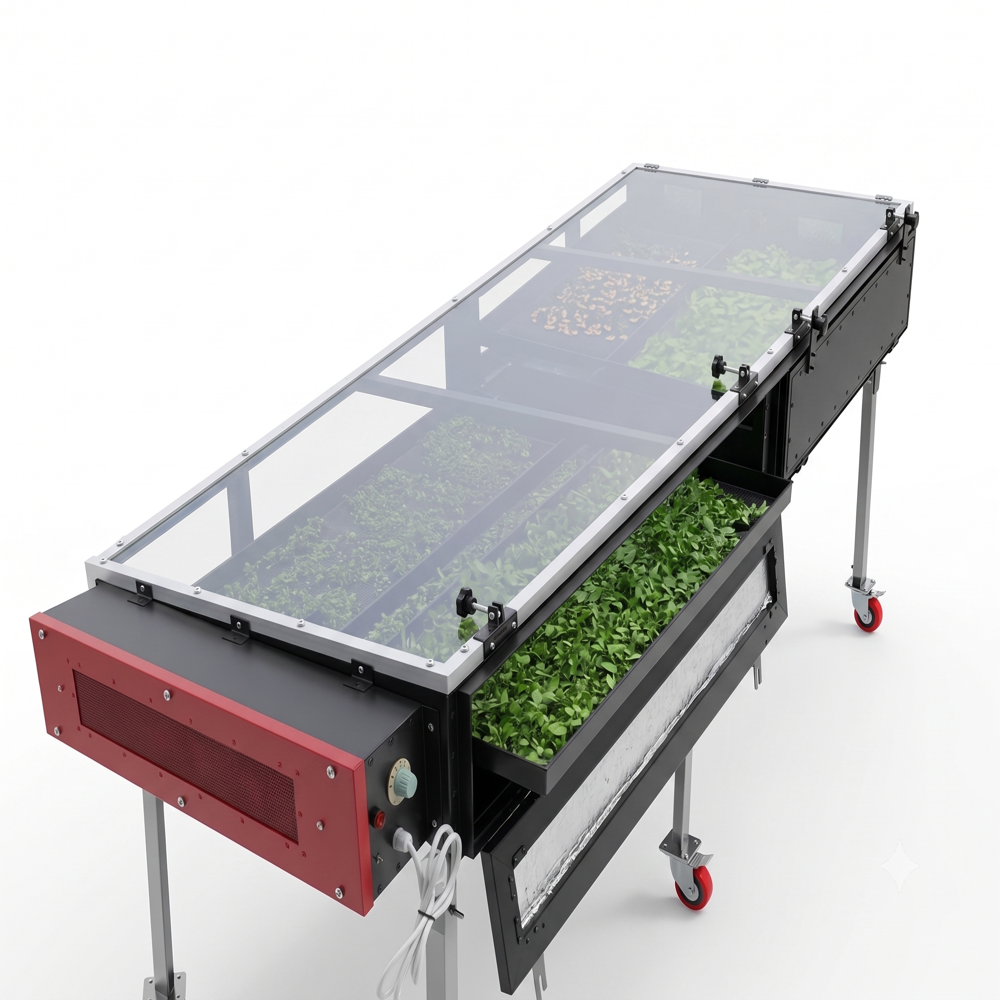
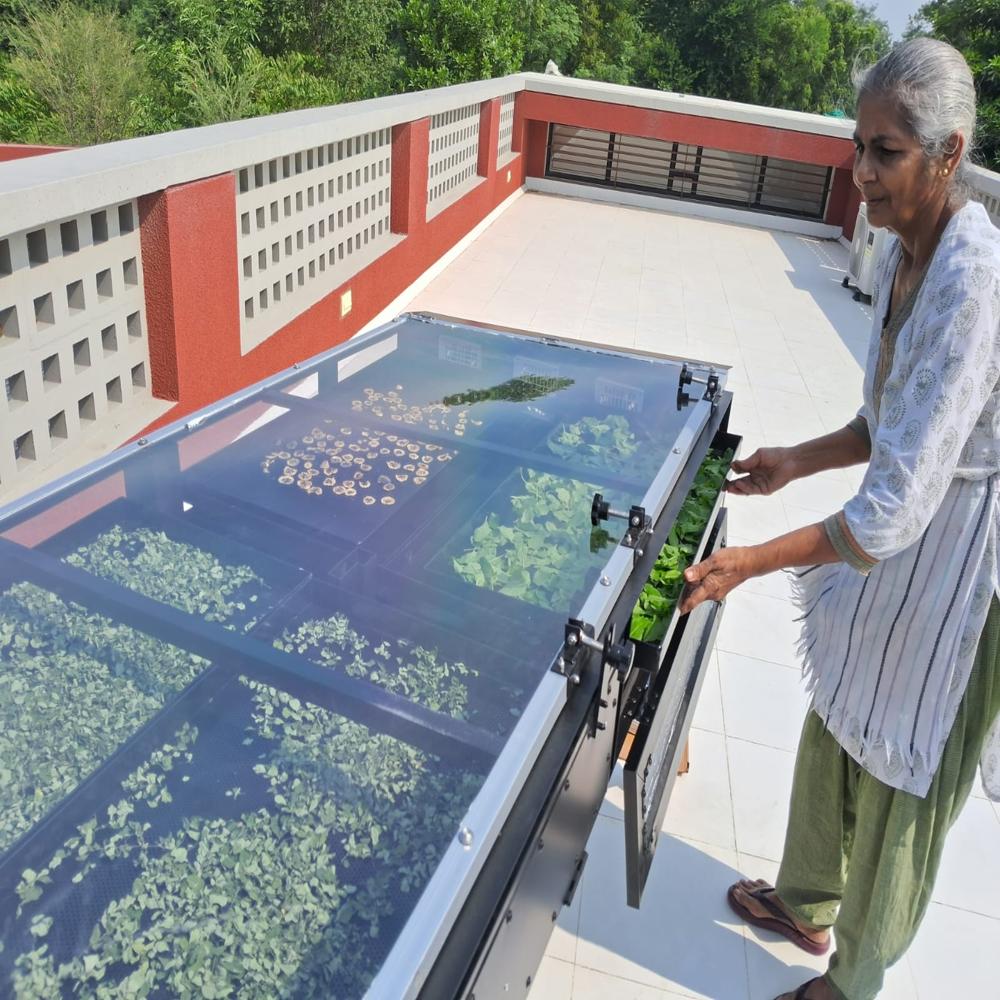
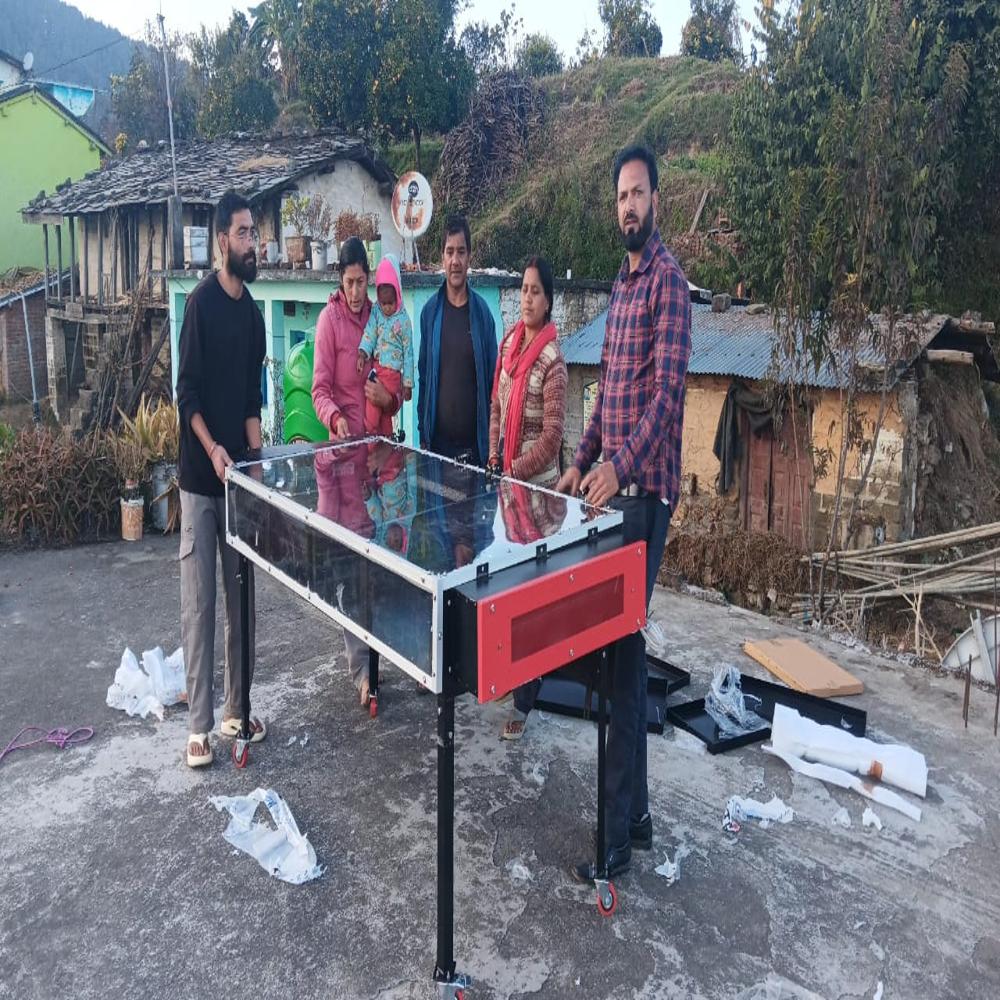
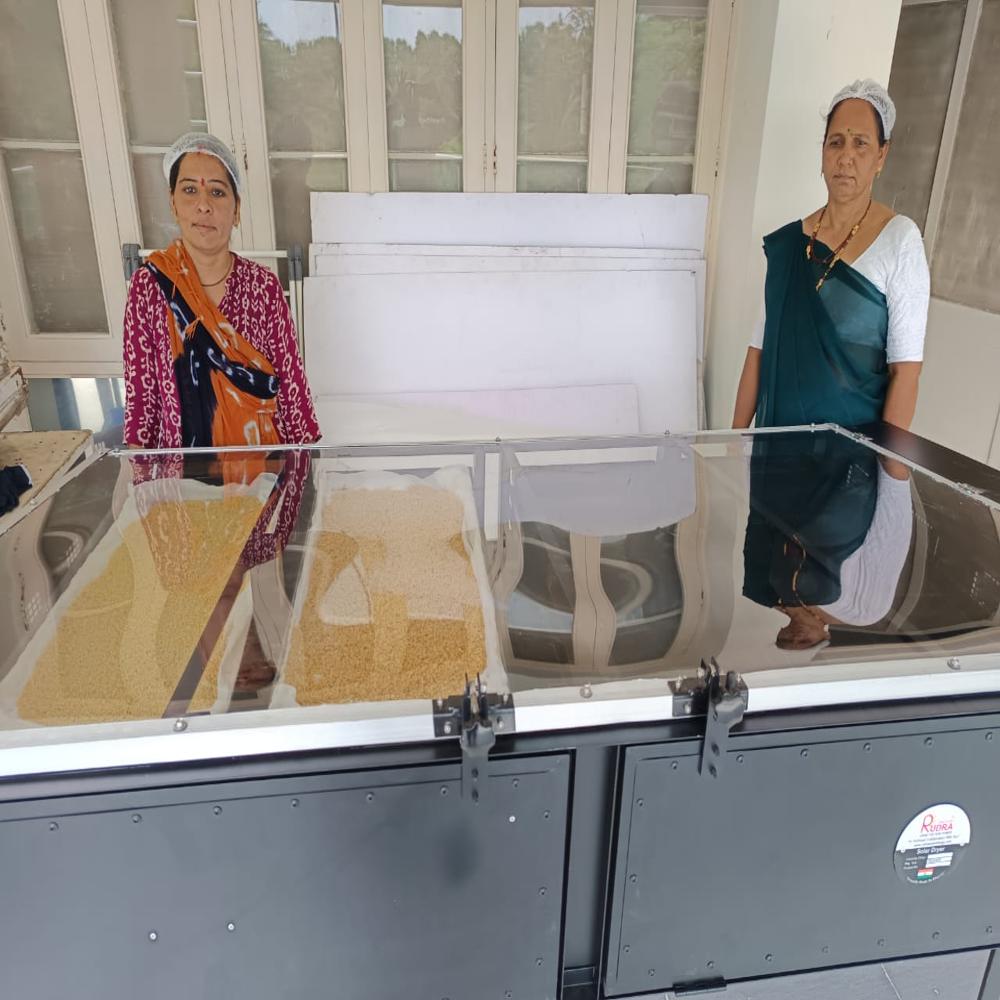
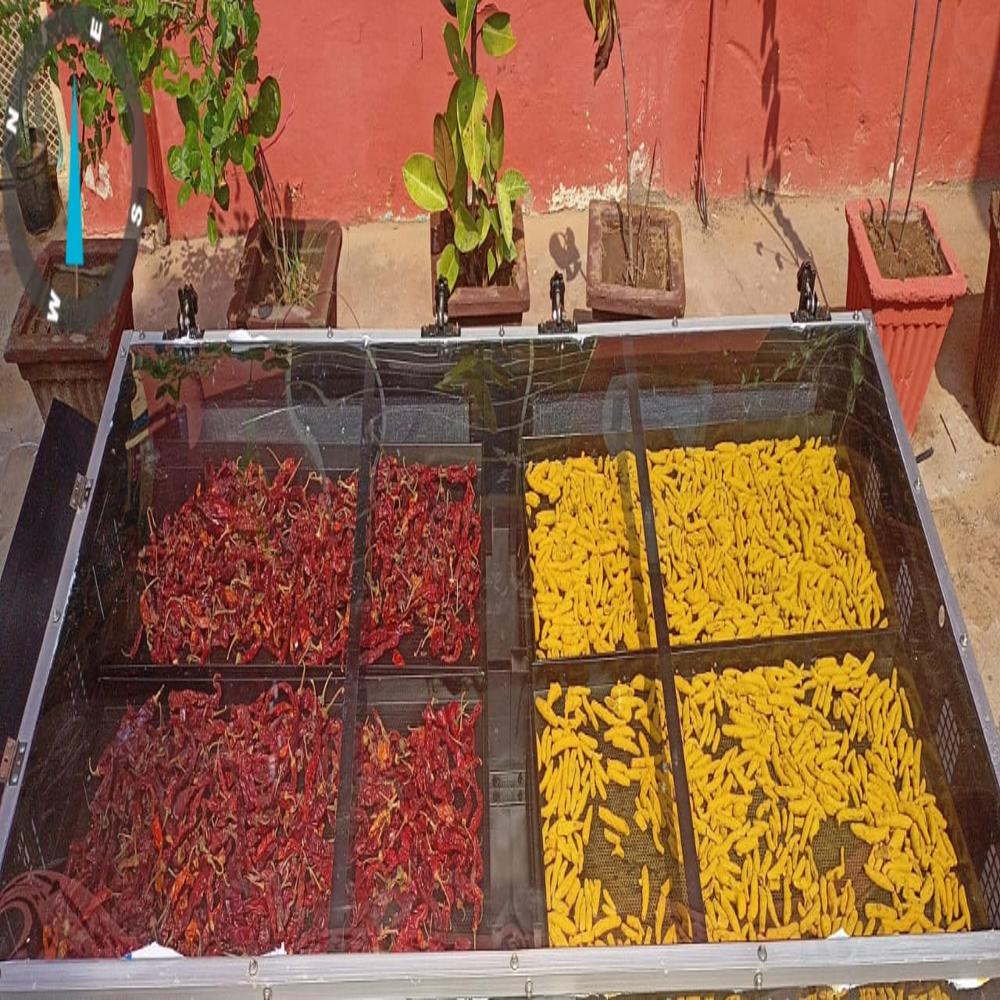
When the cabinet is placed in direct sunlight, the unbreakable polycarbonate top cover allows shortwave solar light energy to penetrate deep into the cabinet. The internal surfaces of the cabinet are coated with a food-grade, high-absorptivity black powder coating that converts the incoming light into longwave thermal energy (heat). Because longwave heat radiation cannot easily escape back through the polycarbonate glazing, it becomes trapped inside the sealed chamber. This greenhouse effect raises the internal temperature by 30C to 40C above the ambient outside environment, achieving a temperature range between 50C and 80C.
2. Conductive Heat Transfer via Tray Architecture
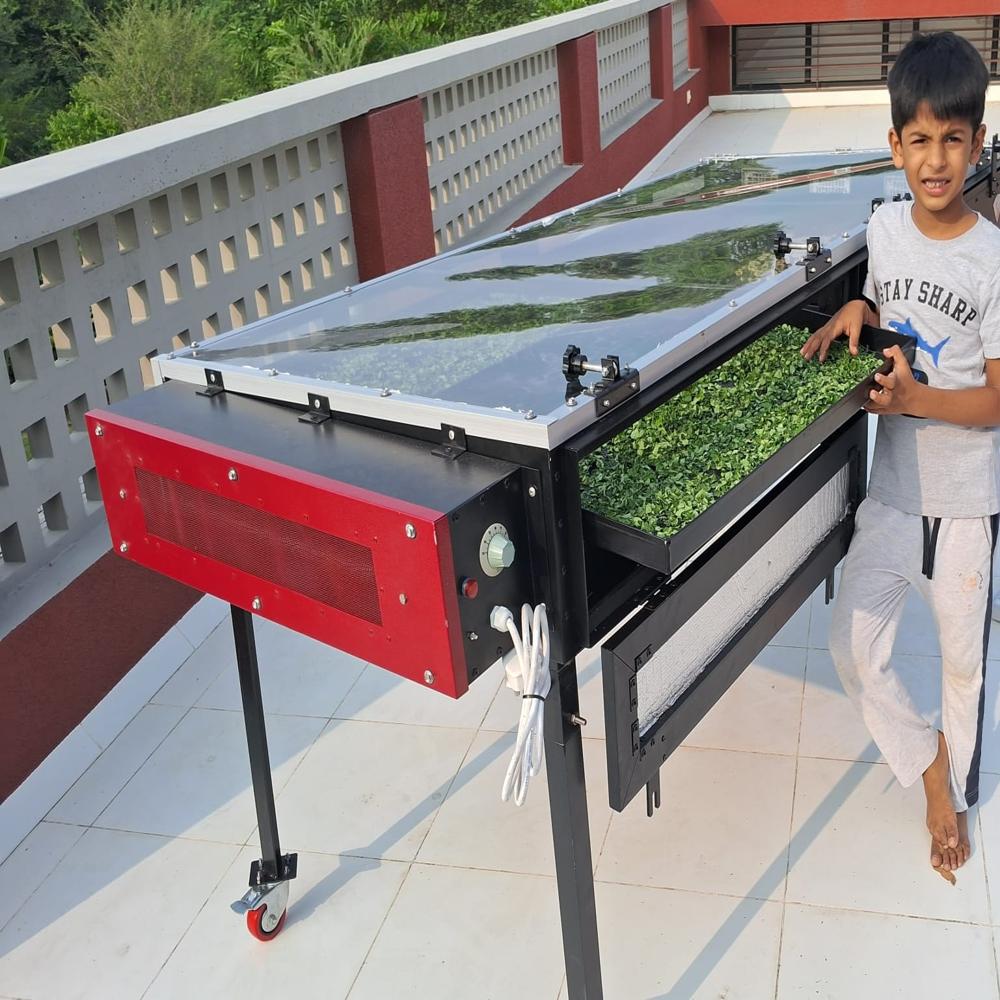
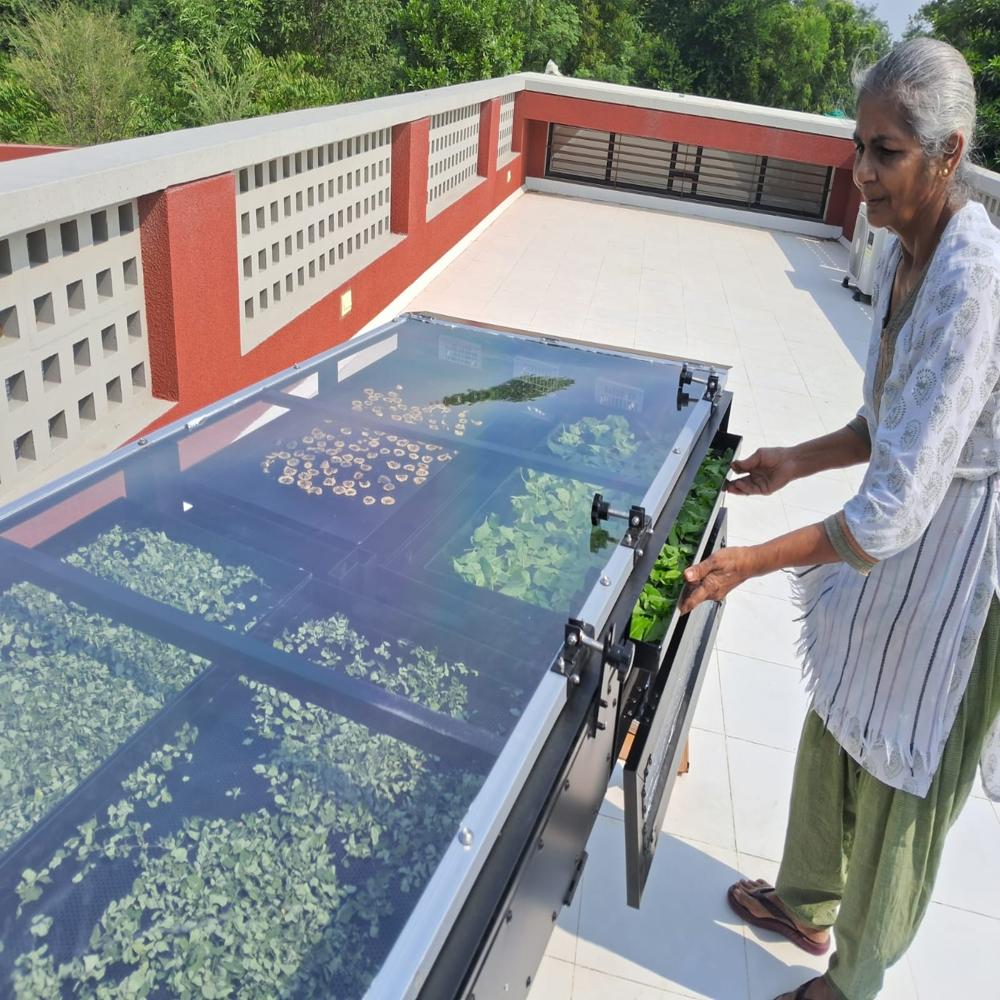
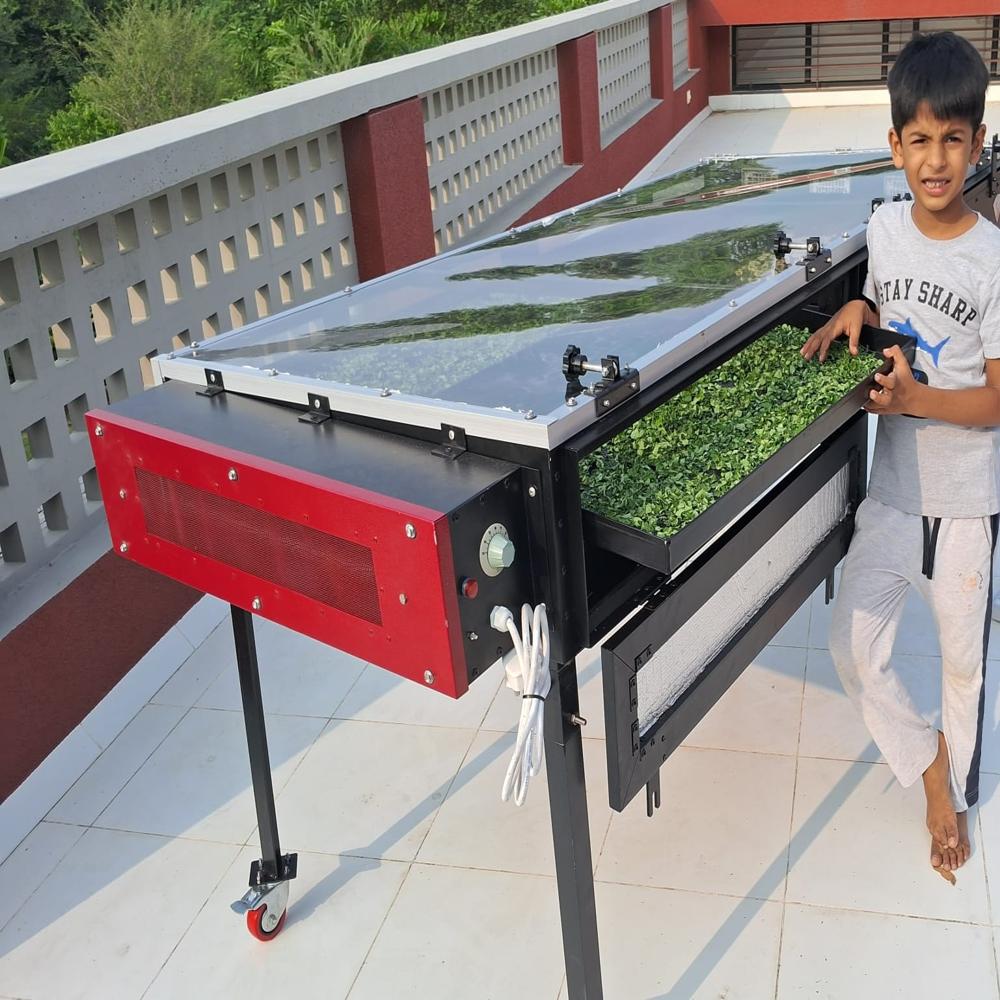
The food items are laid out on high-conductivity perforated metal trays. As the solid metal trays absorb heat from the cabinet environment, they transfer thermal energy directly to the underside of the food slices via contact conduction. This prevents uneven drying profiles and accelerates the removal of internal bound moisture by heating the product from the top (via ambient radiation) and the bottom (via conduction) simultaneously.
3. Forced Convective Airflow and Humidity Extraction
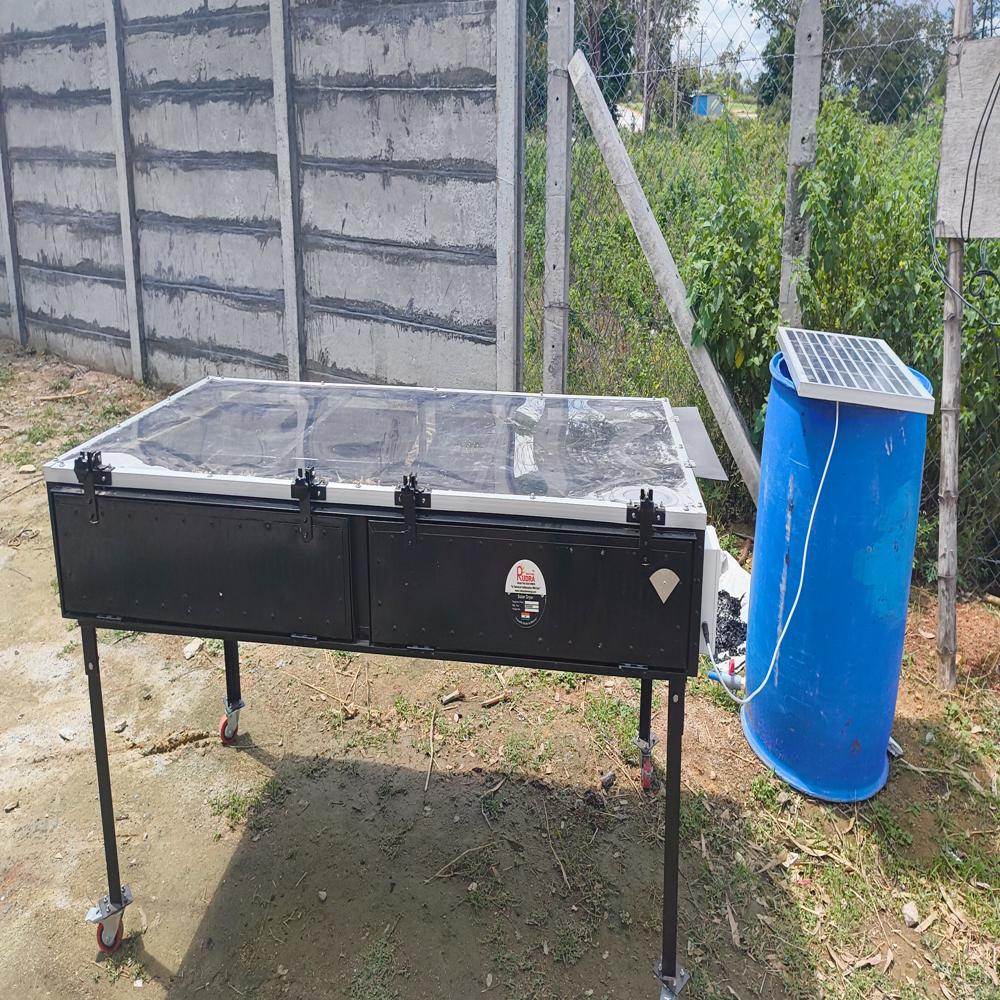
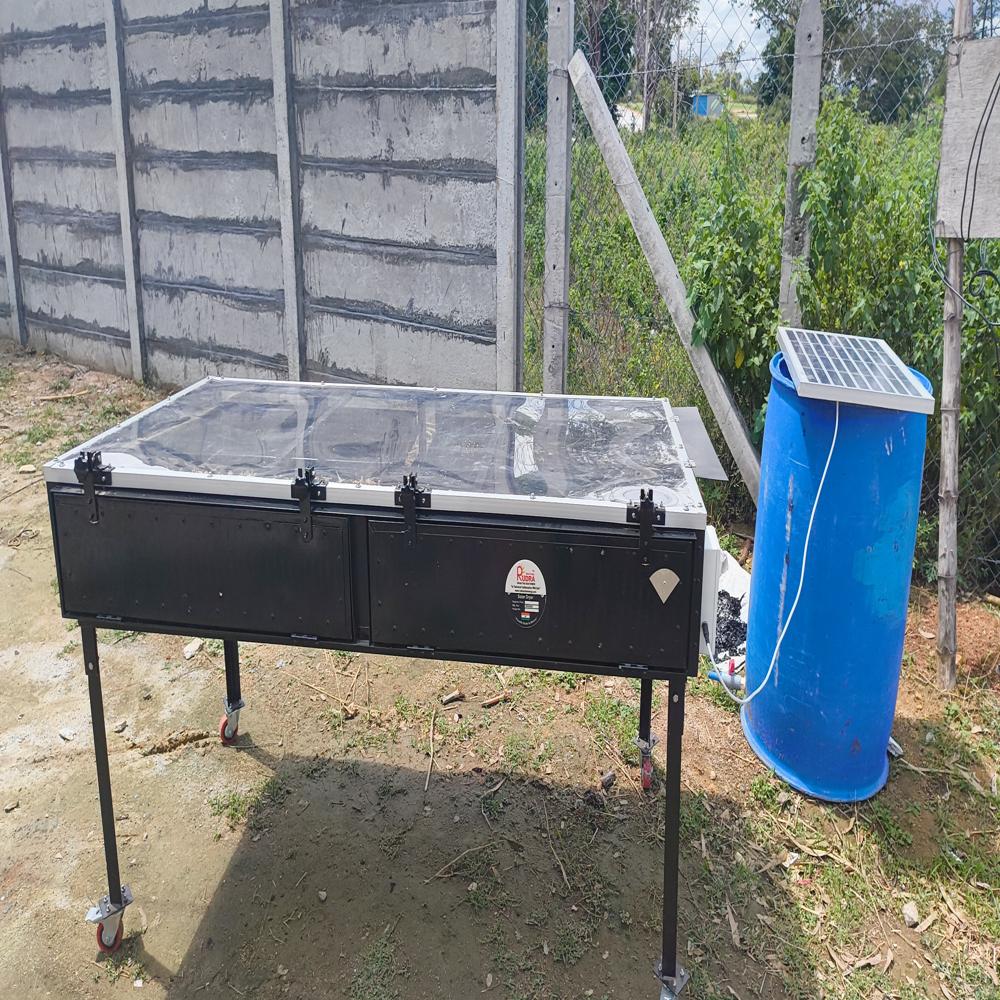
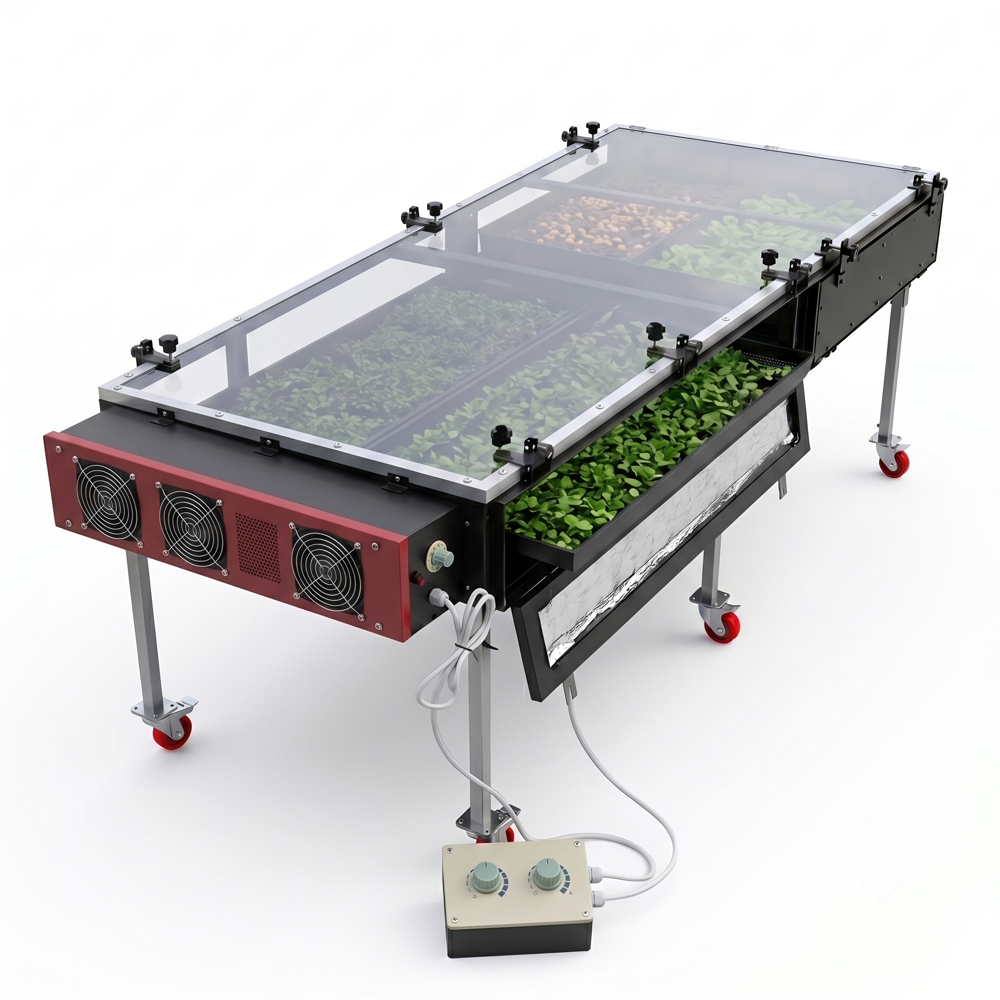
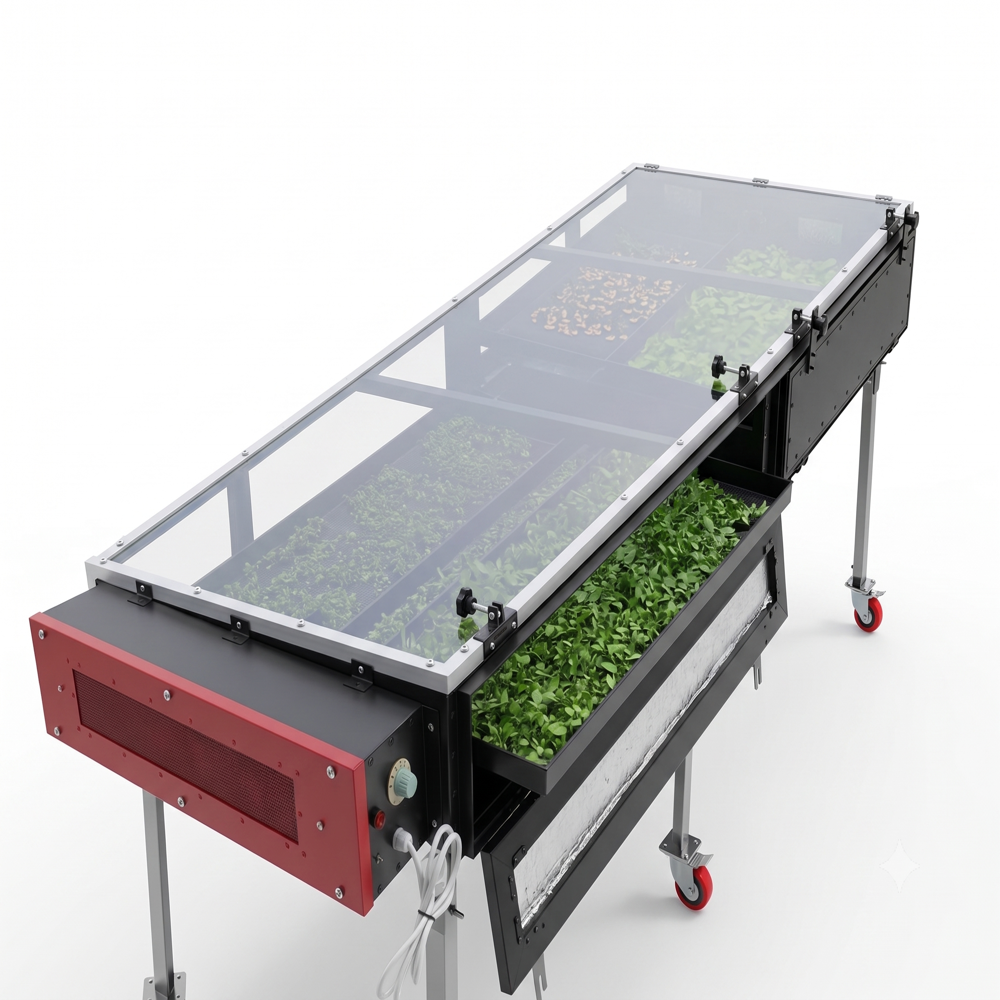
As moisture evaporates from the surface of the food products, the relative humidity inside the cabinet increases. Left unchecked, stagnant humid air would slow down or completely stop the drying process. To eliminate this issue, the drying cabinet features high-velocity 12V DC brushless axial fans powered entirely by an external solar PV panel. These fans continuously draw dry air through industrial dust filters at the intake, circulate it across the perforated food trays, pick up evaporated moisture, and expel the humid air out through outlet vents equipped with fine insect mesh. The result is a constant moisture removal rate of 4 kg per day per square meter of drying area.
Scaled Model Portfolio and Selection Matrix
To accommodate different levels of processingranging from household micro-enterprises to major agricultural commercial complexesRudra Solar Energy fabricates an extensive lineup of cabinet models categorized by loading capacity and energy delivery mechanisms:
1. Standalone "Only Solar" Models
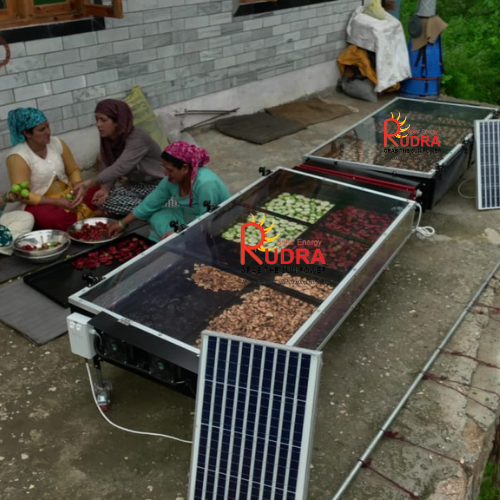
These models run completely off-grid, using solar thermal radiation for air heating and an included standalone solar PV panel to power the DC convective fans. They require zero external electricity, making them ideal for rural farmlands and remote forest areas.
-
RSDAL1TAL (2.5 kg Loading Capacity): Outfitted with 1 tray ($3.6\text{ sq. ft.}$ drying area) and a 3W solar panel. Optimized for home start-ups and retail testing.
-
RSDAL2TAL (5 kg Loading Capacity): Features 2 trays ($7.2\text{ sq. ft.}$ drying area) with an 11-inch cabinet height.
-
RSDAL4TAL (10 kg Loading Capacity): Outfitted with 4 trays ($14.4\text{ sq. ft.}$ drying area) and a 10W, 12V solar panel.
-
RSDAL6TAL (15 kg Loading Capacity): Provides 6 trays ($21.6\text{ sq. ft.}$ drying area) inside a 21-inch high cabinet structure.
-
RSDAL8TAL (20 kg Loading Capacity): Designed with 8 trays ($28.8\text{ sq. ft.}$ drying area) and a heavy-duty 30W solar panel.
-
Higher Capacity Solar Arrays: Includes the RSDAL12TAL (30 kg), RSDAL18TAL (50 kg), RSDAL24TAL (75 kg), RSDAL30AL (100 kg), and the massive industrial module RSDAL150TAL (500 kg).
2. Hybrid (Solar + Electric Backup) Models
For commercial food processing companies where production downtime is not an option, Rudra integrates an auxiliary electrical backup system. These hybrid units contain a built-in electric heater (ranging from 1200W to 6000W depending on the model scale) and AC-powered fans that operate on standard 230V AC, 50Hz grid power. During monsoons, heavily overcast winter months, or night shifts, the operator can switch on the electric backup to maintain a continuous, regulated drying cycle without interrupting production.
-
Available Hybrid Models: RSDAL4TALEB (10 kg), RSDAL6TALEB (15 kg), RSDAL8TALEB (20 kg), RSDAL12TALEB (30 kg), RSDAL18TALEB (50 kg), RSDAL24TALEB (75 kg), RSDAL30ALEB (100 kg), and the large-scale RSDAL150TALEB (500 kg).
Universal Food Processing & Pre-Treatment Methodology
To consistently produce premium, high-grade dehydrated foods that pass strict food safety standards, operations within the cabinet must follow a structured, multi-step preparation procedure:
Step 1: Hygienic Sorting & Deep Washing
Raw foodstuffs are sorted to isolate and remove moldy, overripe, or physically damaged pieces. The selected materials are washed under clean running water to remove dirt, soil, microbial residues, and surface pesticides.
Step 2: Precision Slicing and Uniform Loading
Produce must be sliced uniformly (typically to a thickness of 3 mm to 5 mm) using industrial mandolines or mechanical cutters. Uniform thickness is essential to prevent a mix of over-dried and under-dried sections within the same batch. The sliced pieces are laid out on the perforated trays in a single layer without overlapping to guarantee unobstructed, multidirectional airflow. Slices are loaded at an average density of 2.5 kg per tray.
Step 3: Deactivation & Preservation Pre-Treatments
To keep color, texture, flavor, and nutrients intact, materials undergo specific pre-treatments depending on the food group:
-
Blanching (Heat Shock): Primarily used for root crops and cruciferous vegetables (e.g., carrots, spinach, beans). Slices are steamed or boiled for 12 minutes to halt enzyme activity that causes flavor breakdown and discoloration, then rapidly chilled in cold water to stop the cooking process.
-
Acid Immersion (Anti-Oxidation Dip): Ideal for enzymatic-browning prone fruits like apples, bananas, and guavas. Slices are soaked in a mild 2% to 3% citric acid or fresh lemon juice solution for 35 minutes to prevent surface browning.
-
Osmotic Dehydration (Sugar Dip): Fruits like mangoes, papayas, and pineapples can be soaked in a 40% to 50% sugar syrup matrix for 1015 minutes to preserve structural chewiness and enhance flavor profiles.
-
Brine Immersion (Salt-Water Dip): Applied to vegetables like okra, pumpkin, and bitter gourd by soaking them in a 2% salt solution for 510 minutes to reduce structural water activity and prevent early microbial cell division.
Step 4: Regulated Drying Cycle
The trays are slid into the cabinet tracks, the doors are locked air-tight via the latching clamps, and the convective fans are turned on. Approximate processing timelines vary by commodity type:
-
Leafy Greens & Herbs (Mint, Tulsi, Moringa, Coriander): 6 to 10 Hours at moderate temperatures (40C50C) to lock in natural chlorophyll and volatile essential oils.
-
Fleshy Fruits & Root Crops (Mango, Apple, Tomato, Carrot, Chili): 8 to 18 Hours under clear skies.
-
Marine Products & Proteins (Fish Fillets, Prawns, Chicken Strips): 18 to 36 Hours at elevated heat targets (70C80C) to quickly pass past critical danger zone thresholds and completely inhibit deep-tissue pathogens.
Step 5: Ambient Stabilization & Hermetic Sealing
Following extraction from the cabinet, the dehydrated food items are allowed to stabilize and cool completely to room temperature. Packing warm food leads to internal condensation, raising moisture levels and causing mold outbreaks inside the package. The cooled products are packaged in moisture-barrier pouches or laminated aluminium foil envelopes and heat-sealed immediately.
Multifaceted Applications Across Industries
Rudra's Food Drying Cabinets are versatile assets utilized extensively across a wide variety of commercial sectors:
-
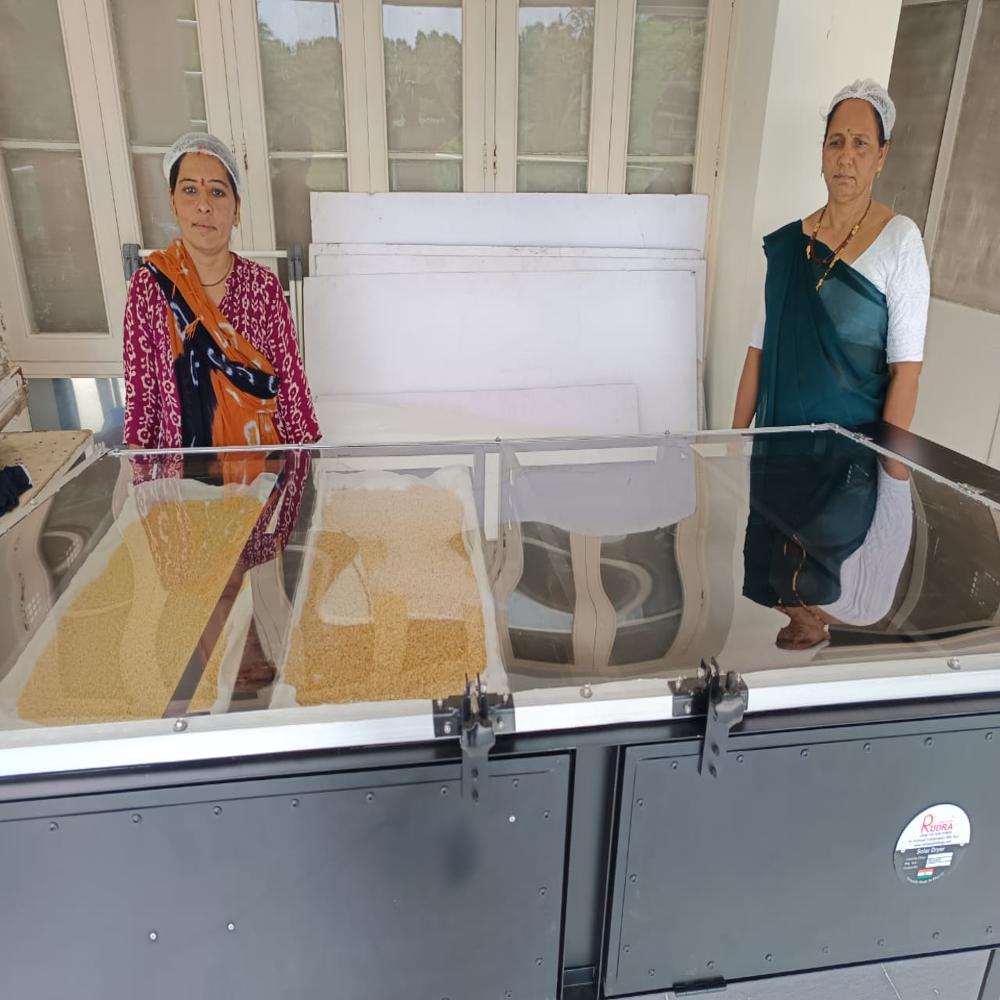
Agricultural Value Addition: Farmers and Farmer Producer Organizations (FPOs) process seasonal gluts of tomatoes, chilies, onions, and garlic into dehydrated slices or shelf-stable powders, turning low-value surplus into high-margin products.
-
Herbal & Pharmaceutical Processing: Processing facilities utilize the low-temperature settings to dry medicinal plants like neem, lemongrass, and stevia without degrading active alkaloids, phytochemicals, or aromatic oils.
-
Dehydrated Healthy Snacks: Commercial brands produce preservative-free, all-natural fruit bars, fruit leathers, and alternative snack varieties tailored for organic food markets.
-
Marine & Poultry Sectors: Coastal fishing communities and poultry processors use the cabinets to dry fish, prawns, and chicken hygienically, replacing open-air roadside drying with clean, insect-free drying operations.
Major Socio-Economic and Environmental Impacts
The global expansion of Rudra Solar Energy's drying technology has driven substantial economic development and carbon reduction impacts across both domestic and international markets:
-
Carbon Footprint Reduction: Over their operational lifespan, the deployed drying cabinet systems have accounted for a cumulative reduction of over 100,000 Metric Tons of carbon emissions by displacing fossil-fuel-powered or grid-heavy conventional commercial dehydrators.
-
Mitigating Post-Harvest Waste: By providing clean drying capabilities directly at the rural farm gate, the cabinets have prevented more than 100,000 Metric Tons of high-quality agricultural yield from rotting or being dumped at harvest.
-
Decentralized Rural Wealth Creation: Rudra's technical collaborations with development organizations like the SELCO Foundation, Villgro, and CEEW have helped establish over 1,000 independent rural entrepreneurs and agricultural startups. This infrastructure provides a consistent source of alternative income for marginal farming communities and women's self-help collectives throughout the year[cite: 1].
Summary of Core Advantages
The choice to deploy Rudra Food Drying Cabinets provides clear advantages over open sun drying and conventional mechanical dryers:
-
Hygienic Isolation: Enclosed food processing chambers protect items from wind-blown dust, rain, flies, rodents, and wild animals.
-
Nutritional Integrity: Double UV-filtering polycarbonate covers stop product bleaching, ensuring delicate vitamins, vibrant colors, and natural flavors stay intact.
-
Rugged Engineering: The low-maintenance, rust-proof aluminium framework has a projected lifespan of 20 years, withstanding high wind loads up to 150 km/h and intense tropical monsoon conditions[cite: 1, 2].
-
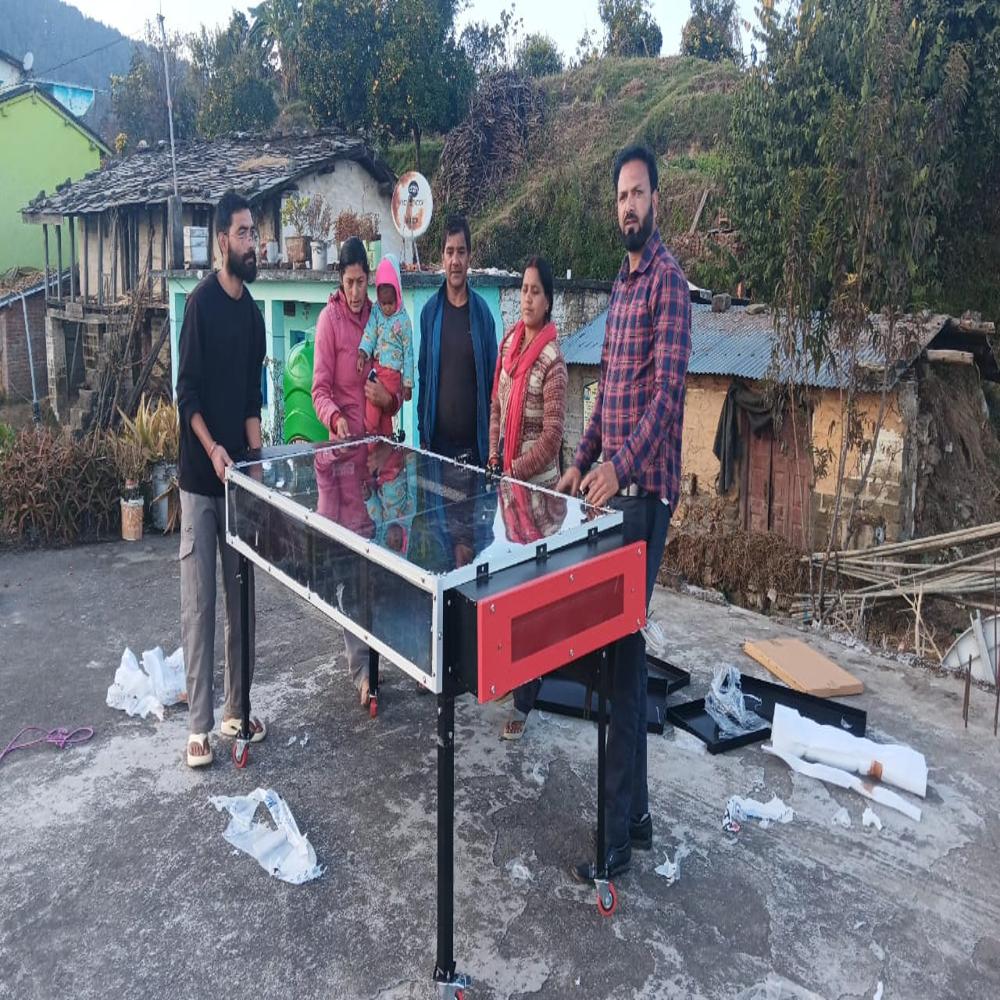
Plug-and-Play Setup: Units ship fully assembled from the factory, requiring no specialized technical support, complex installation, or professional engineering to start operating[cite: 1, 2].
By bridging the gap between clean solar thermal engineering and strict food manufacturing safety standards, Rudra Solar Energy Pvt. Ltd. delivers an optimized solution that empowers global food processors to create sustainable, premium value-added food products for the future[cite: 1, 2].








 Send Inquiry
 Send Inquiry
 Send SMS
